The radiator in a small apartment in Noida, just outside Delhi, doesn't hum. It doesn't need to. In the sweltering reach of an Indian spring, the struggle isn't about staying warm; it’s about the cost of staying moving. For a delivery driver weaving through the chaotic gridlock of the National Capital Region, the price of a liter of petrol isn't a headline or a geopolitical data point. It is the difference between a full bag of groceries and a half-empty one.
Halfway across the world, in the high-ceilinged offices of the U.S. Treasury, the stakes are equally high but infinitely more abstract. Here, the tools of war aren't artillery shells or drones, but spreadsheets and sanctions. For years, the strategy was simple: choke the flow of Russian oil to starve a war machine. But the global economy is not a series of isolated pipes; it is a single, pressurized lung. Squeeze one side too hard, and the other side struggles to breathe.
Recently, the pressure valve turned. The news that the Trump administration, guided by the economic philosophy of Scott Bessent, granted India a waiver to continue purchasing Russian oil was more than a diplomatic footnote. It was a signal. It was the first crack in a frost that has defined international trade for years. Now, the world is watching to see if "unsanctioning" becomes the new doctrine.
The Architect of the Thaw
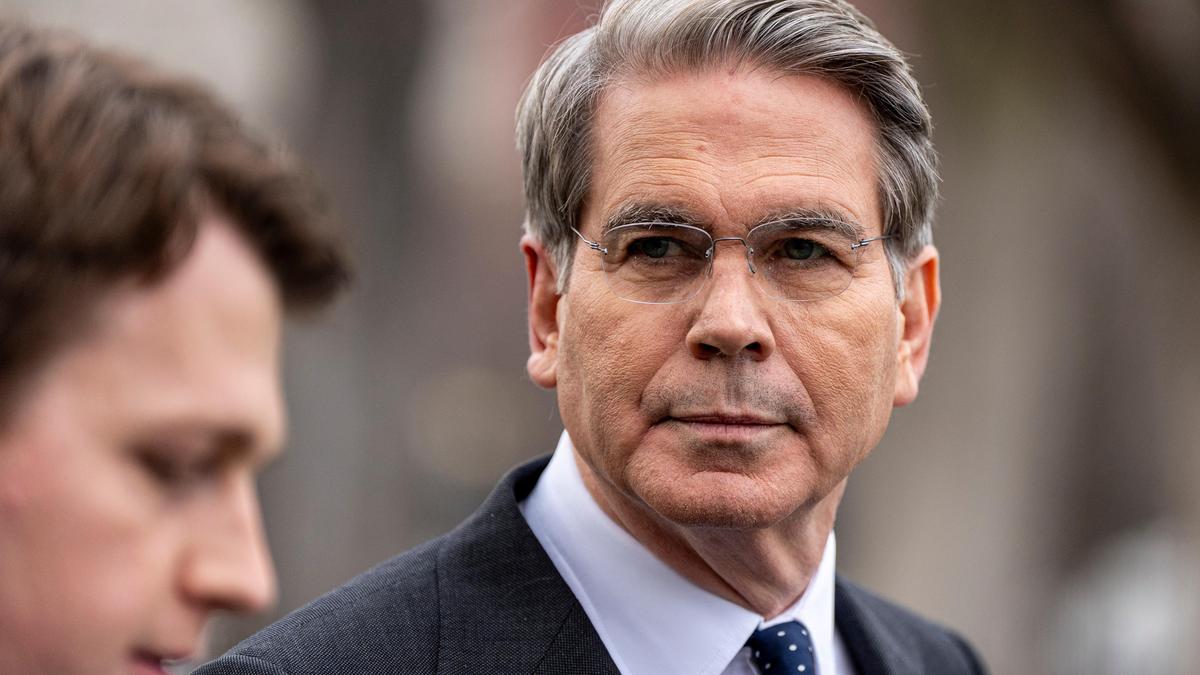
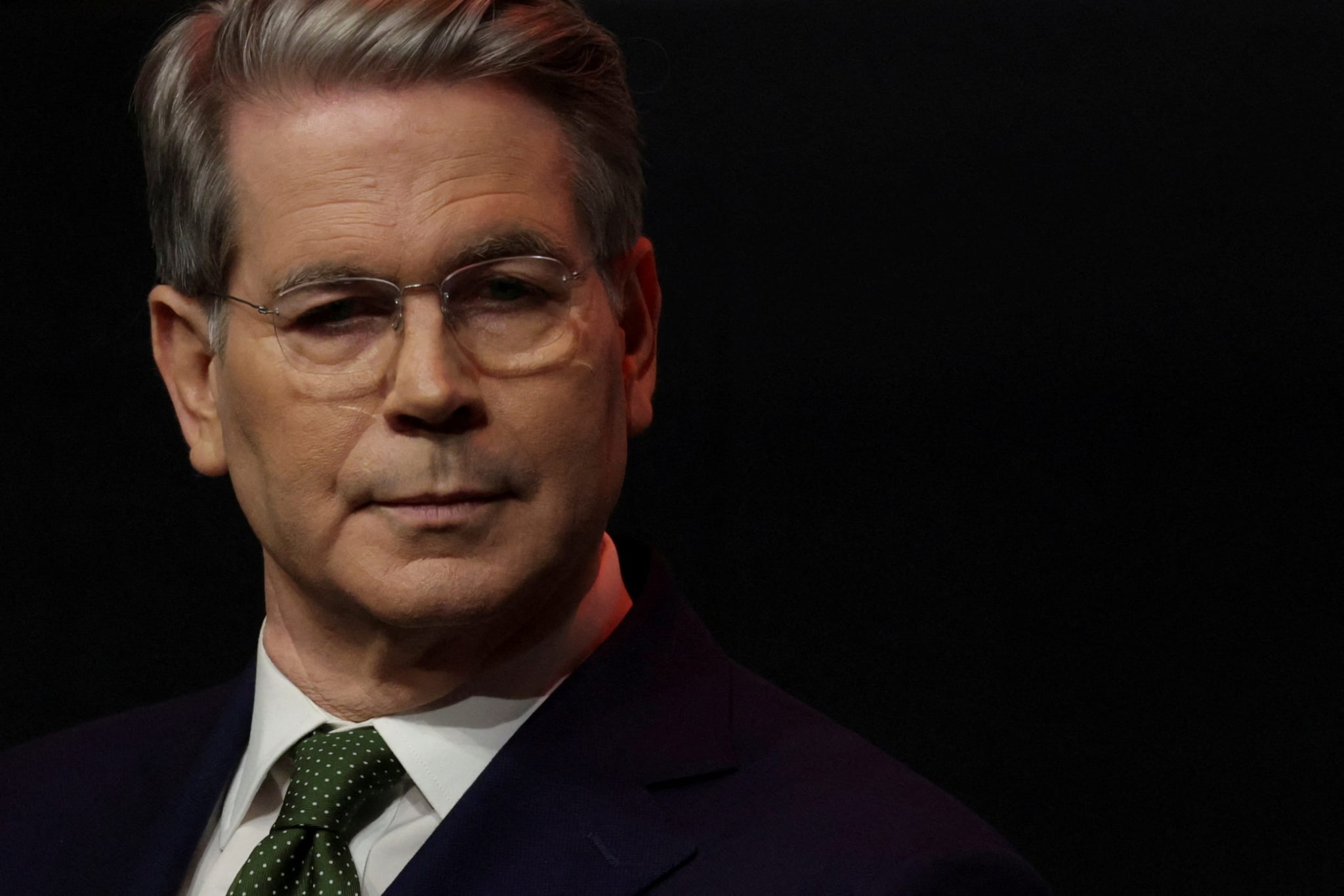
Scott Bessent does not speak in the fiery cadences of a career politician. He speaks in the measured, rhythmic tones of a man who has spent decades managing billions of dollars in the global markets. To understand the logic behind loosening the grip on Russian crude, you have to look past the morality of the conflict and into the cold, hard mechanics of supply and demand.
Bessent views the global energy market as a delicate ecosystem. When you remove one of the world's largest producers from that ecosystem, the price doesn't just go up for the "bad actors." It goes up for everyone. It goes up for the farmer in Iowa idling his tractor because diesel is too expensive. It goes up for the single mother in Manchester choosing between heating and eating.
The India waiver was a recognition of reality. India, a nation of 1.4 billion people, needs energy like a body needs oxygen. By allowing New Delhi to keep the taps open, the administration effectively admitted that the "maximum pressure" campaign had hit a ceiling of diminishing returns. You cannot crash the Russian economy if the collateral damage includes the stability of your most critical democratic allies in Asia.
The Invisible Bridge
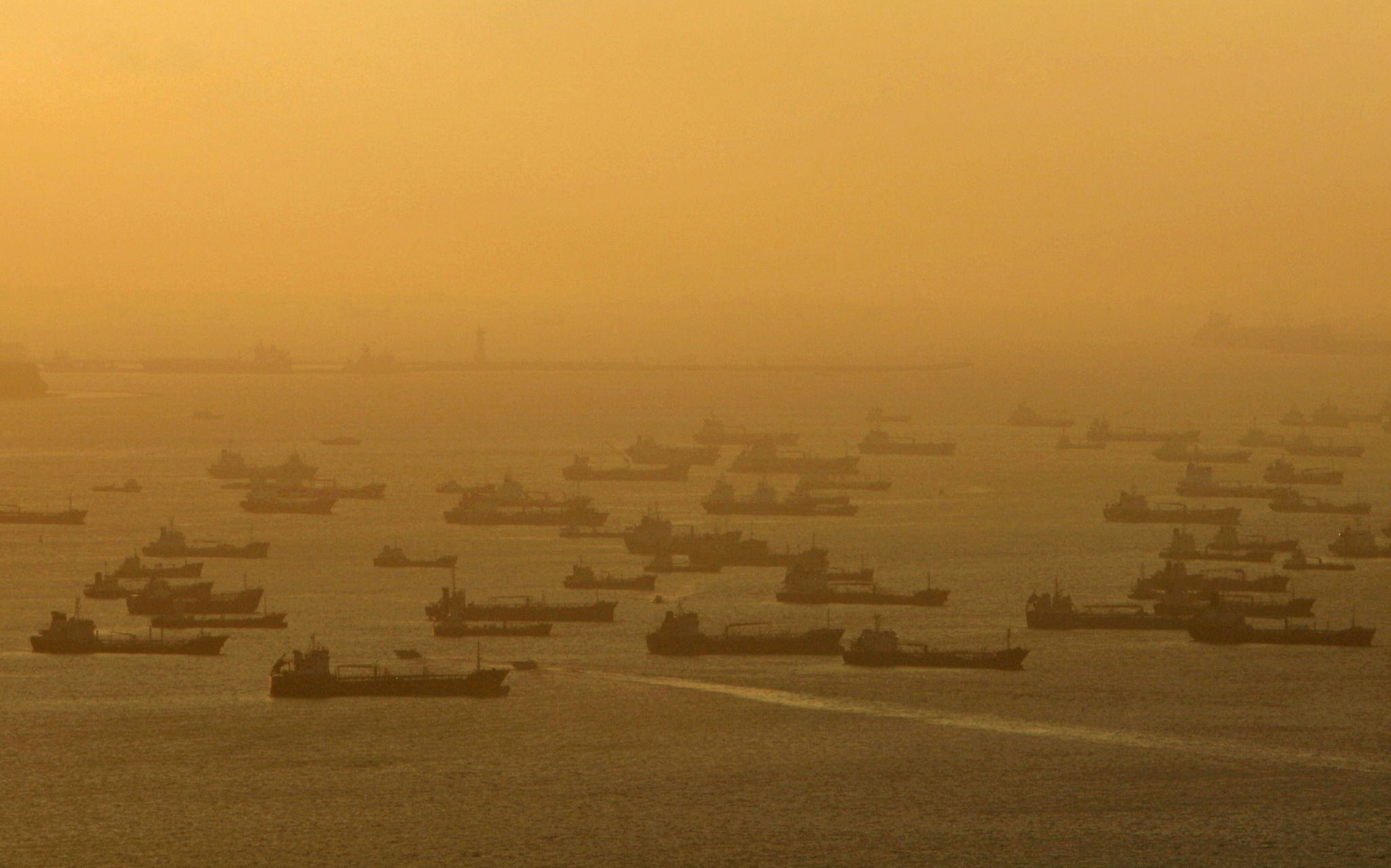
Imagine a massive, invisible bridge spanning the black waters of the Black Sea all the way to the refineries of Gujarat. Every day, tankers laden with Urals crude traverse this path. Under the previous strictures, these ships were ghosts. They sailed under "shadow fleets," using convoluted insurance schemes and ship-to-ship transfers to evade the prying eyes of Western regulators.
This shadow trade created a dangerous, unregulated frontier. It didn't stop the oil from flowing; it just made the flow more expensive, more dangerous, and less transparent. Bessent’s logic suggests a pivot toward bringing this trade back into the light. If you can't stop the oil, you might as well control the terms of its movement.
The "unsanctioning" process isn't an act of friendship toward Moscow. It is an act of pragmatism toward the American consumer. By signaling that more Russian oil might be allowed back into the formal market, the administration is attempting to perform a high-wire act: lowering global Brent prices while maintaining enough leverage to keep the geopolitical peace.
The Friction of Moral Certainty
There is a profound tension in this shift. For years, the narrative was one of absolute exclusion. We were told that every drop of Russian oil sold was a bullet fired. To change course now feels, to many, like a retreat.
But consider the alternative.
When sanctions are too rigid, they create "fortress economies." They force rivals into each other's arms. By pushing Russia out of the Western financial system entirely, the West inadvertently created a parallel economy—a Sino-Russian-Indian axis that doesn't need the U.S. Dollar.
Bessent and the current administration seem to realize that a dollar that isn't used is a dollar that loses its power. If the U.S. wants to remain the world's financial policeman, it has to allow people to stay in the neighborhood. Total exclusion leads to total independence. By "unsanctioning" certain sectors, Washington regains the ability to use the carrot instead of just the stick.
The Human Cost of Energy Poverty
To the architects of these policies, "inflation" is a percentage on a chart. To the rest of the world, it is a thief.
In the rural outskirts of Bangalore, a small-scale textile manufacturer watches the electricity prices. If the cost of fuel for the backup generators rises by even ten percent, his margins vanish. He has to let go of three workers. Those three workers have families. Those families have dreams that are suddenly put on hold.
This is the "human-centric" reality that Scott Bessent is betting on. He believes that a stable, low-inflation global economy is the best defense against chaos. If lowering the price of oil requires a distasteful compromise with an adversary, it is a price he seems willing to pay to prevent a domestic economic heart attack.
The shift isn't just about Russia. It’s about the realization that the United States cannot dictate the energy needs of the developing world from a position of moral high ground if it results in those nations falling into poverty. India’s waiver was the test case. It proved that the U.S. is willing to prioritize the "Global South’s" stability over the total isolation of the Kremlin.
The Mechanics of the "Unsanction"
What does "unsanctioning" actually look like? It isn't a single, dramatic ceremony. It is a series of quiet technical adjustments.
- The Price Cap Revision: Adjusting the ceiling at which Western companies can provide insurance for Russian shipments.
- Financial Corridors: Re-opening specific banking channels that allow for the settlement of energy debts without triggering "secondary sanctions."
- Refining Loopholes: Explicitly permitting the sale of products—like gasoline or jet fuel—that were refined in third-party countries using Russian raw materials.
It is a game of inches. Each inch allows more volume into the market. Each gallon of volume puts downward pressure on the price at a pump in Ohio or a station in Delhi.
The critics argue this provides a lifeline to a regime that should be strangled. The proponents argue that a strangled Russia is a desperate, unpredictable Russia—and that a global recession caused by an energy spike would do more to destabilize the West than a few billion dollars in oil revenue would do to help the East.
The Ghost in the Machine
There is a risk, of course. The risk is that the "shadow fleet" has already become too entrenched. Many of the middlemen who grew wealthy during the height of the sanctions have no interest in returning to a transparent, regulated market. They prefer the darkness.
Furthermore, the psychological impact of sanctions lingers long after the legal ones are lifted. Banks are notoriously "risk-averse." Even if Scott Bessent declares a sector clear, a compliance officer at a major New York bank might still see "Russia" and hit the "deny" button. This "chilling effect" means that "unsanctioning" is much harder than "sanctioning." It’s easy to break a window; it’s much harder to put the shards back together so the glass is perfectly clear again.
The New Map of Power
The world that emerged from the initial shock of the 2022 energy crisis is not the same one we live in now. We have seen the birth of a more transactional era. In this era, loyalty is measured in barrels per day and discount rates.
India’s role as the "great balancer" has been validated. By refusing to pick a side and instead choosing the welfare of its own citizens, New Delhi forced Washington’s hand. The waiver wasn't a gift; it was a concession to the reality of Indian leverage.
Scott Bessent’s approach suggests that the U.S. is moving toward a similar brand of transactionalism. It is an "America First" energy policy that recognizes that America cannot be first if the rest of the world is on fire.
The delivery driver in Noida doesn't know Scott Bessent's name. He doesn't read the white papers on "economic statecraft" or "secondary sanction thresholds." He only knows that today, for the first time in a long time, the price of fuel didn't go up. He can afford the better rice tonight.
As the sun sets over the refineries of the world, the heat of the day gives way to a cool uncertainty. The sanctions are still there, but they are thinning, like an ice sheet in a changing climate. The world is getting warmer, not just because of the carbon we burn, but because the cold war of the commodities market is beginning to thaw, one waiver at a time.
The question that remains isn't whether the oil will flow—it always finds a way. The question is whether we have the courage to admit that in a globalized world, there is no such thing as a clean break. We are all tied to the same terminal, waiting for the pressure to drop.