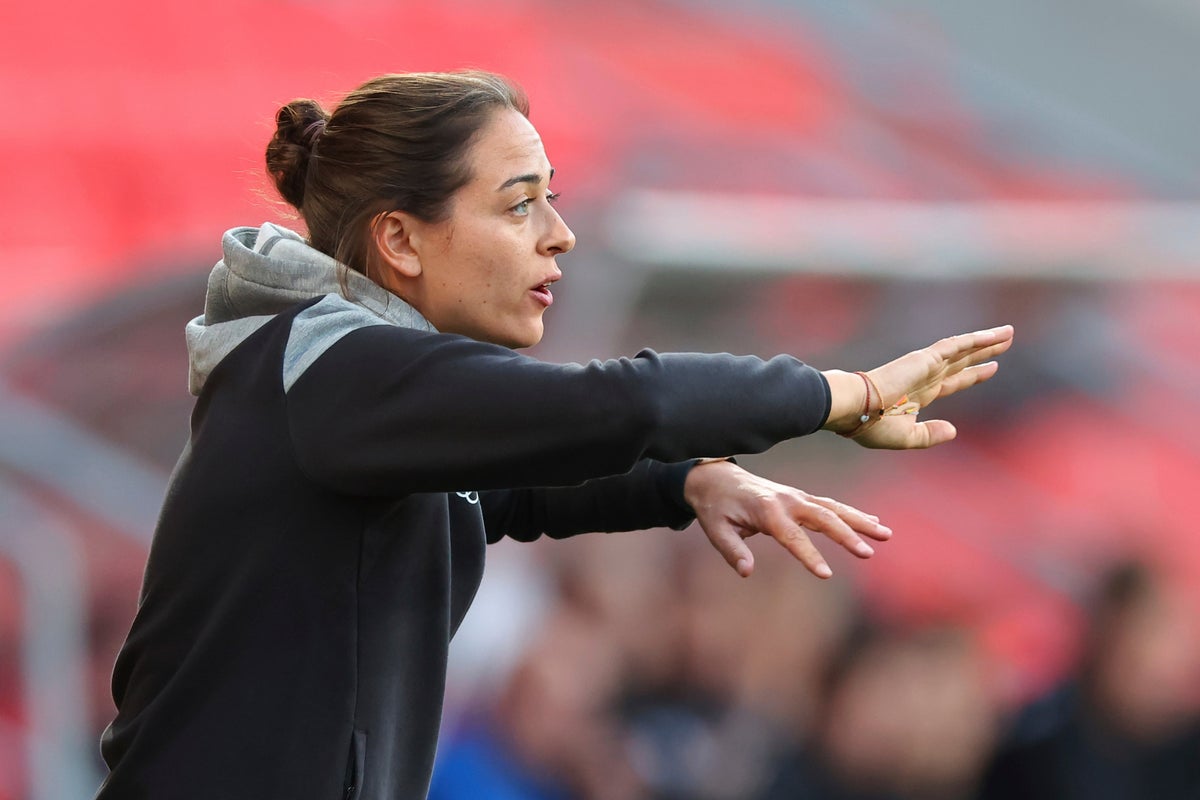
Stop celebrating Sabrina Wittmann as a pioneer.
When FC Ingolstadt 04 handed Wittmann the reins, the media industrial complex salivated. They painted a picture of a "lonely trail" and a "historic breakthrough." They framed it as a progressive leap for the 3. Liga and German soccer at large.
They are wrong.
Wittmann’s appointment isn’t the start of a revolution; it’s the exception that proves the stagnation of a system obsessed with "stall smell"—that pungent, recycled air of former players cycling through the same twelve jobs. If you think her gender is the biggest hurdle in German coaching, you aren't paying attention to the actual mechanics of the DFB (German Football Association) power structure.
The real barrier isn’t just a lack of "opportunity" for women. It’s a systemic, bureaucratic stranglehold on who is allowed to think about the game.
The Credentials Trap
Germany loves a certificate. The Fußballlehrer—the Pro License—is treated like a holy relic. To even get into the room, you generally need a pedigree.
The "lazy consensus" suggests that more women just need to "get their badges." That is a fundamental misunderstanding of how the German coaching pipeline functions. The pipeline isn't a meritocracy; it’s a closed loop.
In the last decade, the DFB has moved toward a "competency-based" model for their coaching courses. On paper, this sounds great. In practice, "competency" is often defined by those who played at the highest level of the men’s game.
If the entry requirements for the highest level of coaching education favor professional playing experience in a specific gendered ecosystem, the "lonely trail" Wittmann is walking wasn't blazed by her. It was cordoned off by the authorities long ago.
I’ve watched clubs burn through millions hiring "big name" former internationals who lack the tactical depth to organize a Sunday league defense. They get the job because they "know the dressing room." Meanwhile, tactical innovators who didn't play for Bayern Munich or Dortmund are left fighting for scraps in the youth academies.
The Myth of the Female Pioneer
Calling Wittmann a pioneer is a backhanded compliment. It implies she is the first to be capable.
The truth is far more clinical. The 3. Liga is a meat grinder. It is where coaching careers go to die or be forged in fire. Ingolstadt didn’t hire her as a PR stunt; they hired her because she knew the internal structures of their academy better than any external candidate they could afford.
The contrarian truth? Wittmann’s gender is the least interesting thing about her tactical setup.
The media focuses on the "first woman" narrative because they don't know how to analyze her transition from a 3-4-2-1 to a more fluid 4-3-3 under pressure. They don't want to talk about her Expected Goals (xG) against vs. her predecessor. They want to talk about how "brave" she is.
Bravery doesn’t win points in the 3. Liga. Structural discipline does.
Why the "Stall Smell" is Killing the Bundesliga
There is a term in German soccer: Stallgeruch. It literally means "stable smell." It’s the idea that you belong in the barn because you were born there.
This obsession with internal hires and former legends has created a tactical monoculture. While the English Premier League imports tactical diversity from every corner of the globe, the German coaching market often feels like a game of musical chairs played by the same forty men.
Wittmann isn’t disrupting the "men’s game." She is disrupting the insider’s game.
If we actually cared about "blazing a trail," we would stop looking at the sidelines and start looking at the DFB Academy in Frankfurt. We would ask why the barrier to entry for the Pro License remains so prohibitively linked to a playing career that ended twenty years ago.
The Meritocracy Delusion
People often ask: "If women are good enough, why aren't there more?"
It’s a flawed premise. It assumes the current selection process for male coaches is efficient. It isn't.
Look at the churn rate in the 2. Bundesliga. Look at how many coaches are fired and rehired within the same eighteen-month cycle. This isn't a system that prioritizes "the best." It’s a system that prioritizes "the known."
Wittmann is "unknown" to the old guard. That is her greatest competitive advantage. She doesn't owe anything to the "stable." She isn't part of the WhatsApp groups where former legends complain about "modern tactics" and "laptop coaches."
Tactical Fluidity Over Gender Politics
Let’s look at the actual football.
Wittmann’s Ingolstadt side showed an immediate shift in verticality. They stopped sideways-passing their way into a coma. They started hunting in packs.
This isn't "female coaching." It’s modern coaching.
The problem with the "lonely trail" narrative is that it suggests she is doing something fundamentally different because she’s a woman. She isn't. She’s doing what any competent, modern, data-driven coach would do. The fact that this is considered "revolutionary" in some German circles says more about the stagnation of the male coaching pool than it does about her.
The Price of Admission
If you want to follow the "trail," be prepared to be bored.
The real work isn't in the post-match interviews where journalists ask how it feels to be a woman in a man’s world. The real work is in the thousands of hours of video analysis, the grueling travel of the 3. Liga, and the constant threat of the sack.
Wittmann’s "advantage"—if you can call it that—is that she has to be twice as prepared as her male counterparts just to be considered equal. One mistake, and the critics won't say "he lost his tactics." They will say "she wasn't ready."
This creates a survivor bias. Only the absolute best women will ever get these jobs, while mediocre men will continue to fail upward through the system because they have the right "stable smell."
Stop Waiting for Permission
The most "contrarian" advice I can give to any aspiring coach—regardless of gender—who doesn't have a 50-cap international career: Stop waiting for the DFB to validate you.
The path Wittmann took was through the academy. She made herself indispensable to the infrastructure of the club. She didn't wait for a "diversity initiative." She waited for the men in front of her to fail.
And in professional soccer, they always fail.
The gatekeepers aren't going to open the doors because it’s "the right thing to do." They will open the doors when they realize that the "safe" male hire is a one-way ticket to relegation.
The Reality of the "Breakthrough"
Don't expect a flood of female coaches in the Bundesliga by 2027.
The bureaucracy is too thick. The "stable smell" is too ingrained. Wittmann is an outlier because Ingolstadt was desperate and she was undeniably ready.
Most clubs would rather be comfortably wrong with a "name" than take a "risk" on a superior tactical mind without a Wikipedia page as a player.
The "trail" isn't lonely because women can't do the job. It’s lonely because the men holding the keys are terrified of what happens when the "stable" is finally cleaned out.
Forget the glass ceiling. It’s a concrete bunker. And Wittmann didn't find a door; she just waited for the roof to leak.
Stop asking if Germany is ready for a female coach. Ask if the German coaching establishment is ready to admit that their "experience-based" hiring model is a failing relic of the 1990s.
The game has moved on. The "stable" is empty. Wittmann is just the first person to notice.
Hire on data. Hire on tactical flexibility. Hire on the ability to manage the egos of twenty-five millionaires.
If you're still looking at the gender of the person in the technical area, you've already lost the tactical battle.