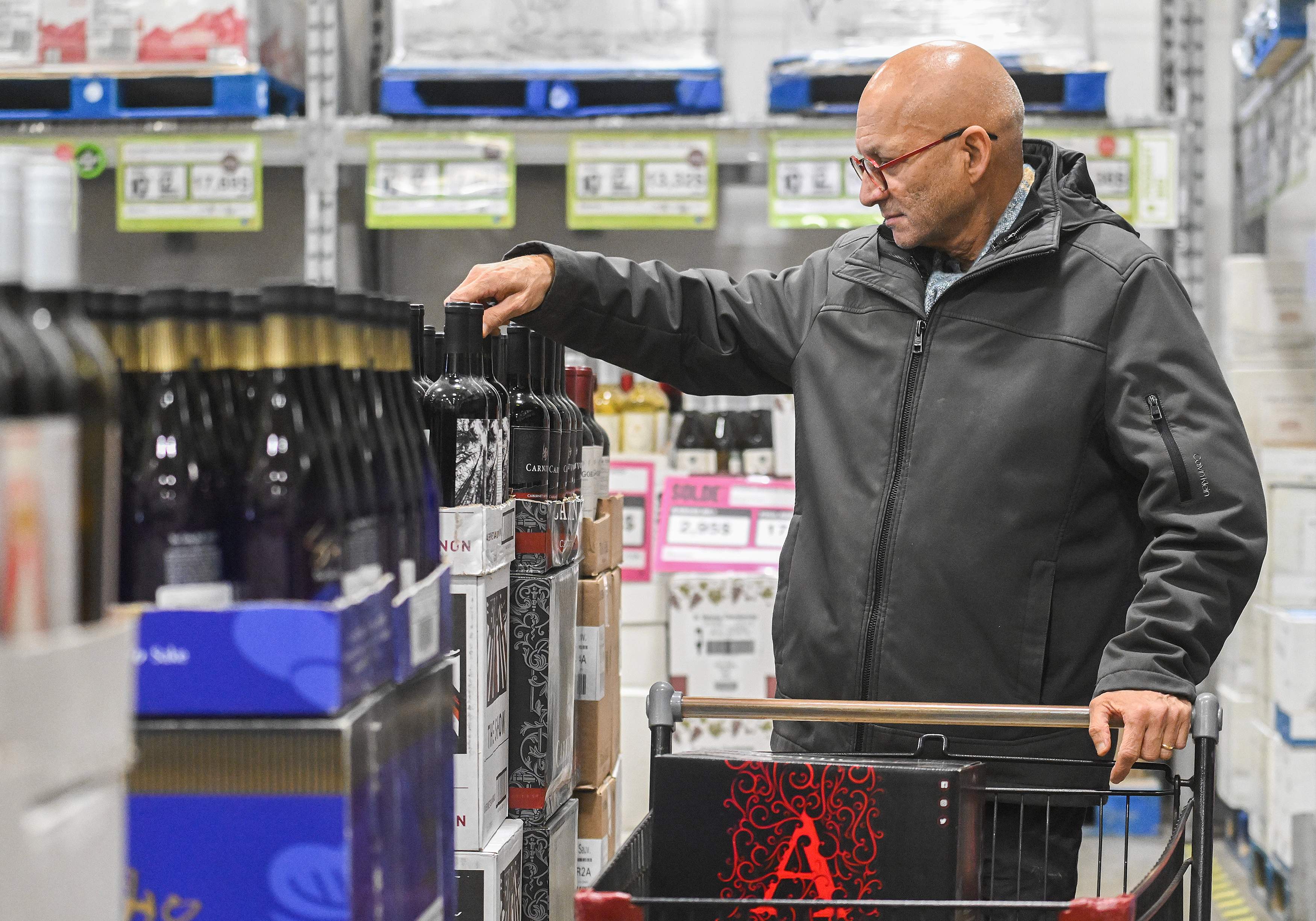
Canada’s long-standing love affair with the local liquor store is hit with a cold dose of reality. For decades, the ritual of grabbing a six-pack or a bottle of wine was as Canadian as a winter tire change. But something shifted. According to the latest data from Statistics Canada, alcohol sales by volume just plummeted by 3% in the 2024-2025 fiscal year. That’s the single largest drop since they started tracking this stuff back in 2004.
We aren't just talking about a minor dip. This is the fourth year in a row that the actual amount of booze being sold has shrunk. Even as prices crawled up by 1.6%, the total dollar value of sales fell to $25.8 billion. People are buying less, even when they’re being charged more. The "standard drink" count is now down to about 8.0 beverages per week per person, a sharp slide from the 9.7 we were seeing just a decade ago. You might also find this similar coverage useful: The Ghost in the Grocery Aisle.
The perfect storm of health and high prices
It’s easy to blame one thing, but it’s actually a collision of several factors. First, let’s talk about the 2023 guidance from the Canadian Centre on Substance Use and Addiction (CCSA). They didn't just suggest we cut back; they basically said anything more than two drinks a week puts you in the "danger zone" for cancer and heart disease. People actually listened. You can see it in the data. Younger generations, in particular, are looking at a glass of whiskey the same way their parents looked at a pack of cigarettes—as a health liability.
Then there’s the money. Inflation cooled down a bit in 2024, but the "cost of living crisis" isn't just a buzzword. When your rent or mortgage eats 50% of your take-home pay, that $70 bottle of gin starts looking like a luxury you don't need. As reported in recent articles by Glamour, the results are notable.
- Beer is still the king of the mountain, but it’s a crumbling throne. Sales volume dropped 3.8%. That’s nine straight years of beer losing its grip.
- Wine took a massive hit, especially the imported stuff. For the first time since 1993, sales of imported wine actually fell.
- Spirits weren't safe either, with a 4.4% drop in volume.
The rise of the sober social life
If people aren't drinking, what are they doing? They’re turning to ciders, coolers, and the massive wave of non-alcoholic alternatives. Ciders and coolers were the only category that actually grew, up 4.8% in value. They’re sweet, they’re easy, and they feel less like "drinking" and more like a treat.
Even more telling is the explosion of the "sober-curious" movement. Go into any LCBO or SAQ and you’ll see shelves dedicated to 0.0% alcohol beers and botanical spirits that cost as much as the real thing. In Ontario alone, sales of non-alcoholic beer at the LCBO jumped nearly 70% in a single year. We’re seeing a cultural shift where you don't need to be "the designated driver" to justify a mocktail. It’s just what people are choosing.
Cannabis and the substitution effect
We can't ignore the green elephant in the room. Since recreational cannabis became legal, it’s been slowly cannibalizing the alcohol market. Statistics Canada shows that while booze sales are flatlining or falling, cannabis sales grew another 6.1% this past year, hitting $5.5 billion.
For a lot of Canadians, it’s a simple swap. Cannabis has no calories and no hangover. If you’re a budget-conscious consumer looking to unwind on a Friday night, a $10 pre-roll is a lot more appealing than a $40 case of beer. The "substitution effect" is real, and it’s hurting the government’s bottom line. Provincial governments saw a 4.2% drop in their alcohol-related earnings. They’re making up some of that ground with cannabis taxes, but the old reliable "sin tax" from booze is starting to dry up.
Trade wars and the local shift
There’s also a weird political angle to this. In early 2025, trade tensions with the U.S. led several provinces to yank American alcohol off the shelves. Ontario, for example, was importing nearly a billion dollars worth of American booze before the ban. When that disappeared, consumers didn't necessarily switch to other brands—they often just bought less.
However, this gave a slight bump to domestic products. Canadian-made wine and beer now account for over 60% of total sales. We’re becoming more patriotic with our pours, even if those pours are getting smaller and less frequent.
How to navigate the new landscape
If you're noticing your own habits shifting, you're clearly not alone. The "largest drop" isn't a fluke; it's the new baseline for Canadian consumption. If you're looking to cut back without losing your social life, start by exploring the premium non-alcoholic market. The quality has improved drastically—many "zero" beers are now indistinguishable from the real thing in blind taste tests.
Keep an eye on the retail changes coming in 2026, especially in Ontario. The move to put beer and wine in convenience stores might make it easier to buy, but it won't necessarily make it cheaper. Prices are expected to remain high as the government tries to protect its revenue. The best move for your wallet and your liver is to treat alcohol as a rare occasion rather than a daily habit.