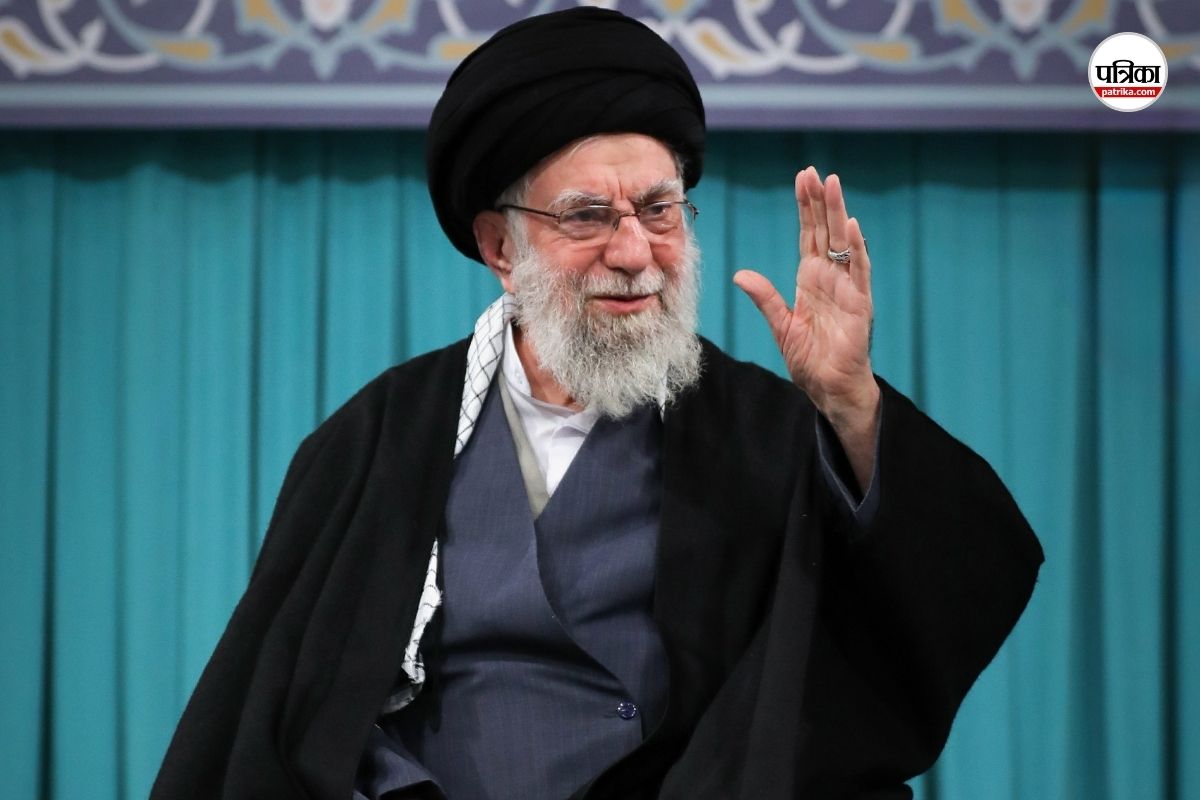
The persistent concealment of Ali Khamenei’s right arm is not a stylistic choice or a traditional affectation, but a direct functional consequence of a permanent neurological deficit sustained on June 27, 1981. This physical limitation, resulting from an assassination attempt at the Abu Zar Mosque in Tehran, serves as a case study in how physical trauma dictates the public performance of power. The survival of the Supreme Leader following the detonation of a bomb concealed in a tape recorder created a permanent divergence between his public persona and his physical capabilities.
The Kinematics of the Abu Zar Blast
The explosive device was specifically engineered to maximize fragmentation at chest height. When the device detonated, the primary blast wave and subsequent shrapnel caused catastrophic damage to Khamenei’s right side. The clinical reality of his condition is defined by a severe Brachial Plexus Injury (BPI).
The brachial plexus is the network of nerves that sends signals from the spinal cord to the shoulder, arm, and hand. The 1981 explosion resulted in a combination of avulsion and rupture of these nerves, leading to:
- Total Motor Paralysis: The inability to initiate muscle contraction in the right hand and forearm.
- Muscle Atrophy: Decades of disuse have resulted in significant wasting of the deltoid, biceps, and forearm muscle groups.
- Sensory Loss: A complete lack of tactile feedback, which increases the risk of secondary injury to the limb.
- Chronic Neuralgia: Persistent nerve pain that often accompanies high-velocity trauma to the nervous system.
The physical "concealment" beneath the aba (the traditional clerical cloak) serves as a low-tech prosthetic solution. The cloak acts as a natural sling, preventing the dead weight of the paralyzed limb from causing subluxation—a partial dislocation of the shoulder joint—which is a common complication when the muscles surrounding the rotator cuff can no longer support the weight of the arm.
The Structural Management of a Paralyzed Limb
The visual presentation of the Supreme Leader is governed by a strict protocol of bilateral asymmetry. Because the right arm is non-functional, every public interaction must be choreographed to utilize the left hand exclusively. This creates a specific set of operational constraints:
Mechanical Compensation
Khamenei uses his left hand for all high-dexterity tasks, including writing, gesturing, and handling the Quran. In Islamic clerical tradition, the right hand is typically preferred for "clean" or "sacred" acts. The forced shift to the left hand represents a significant deviation from traditional norms, yet it has been integrated into his image as a mark of "living martyrdom."
The Aba as a Stabilizer
The cloak is not merely clothing; it is a tool for symmetry management. Without the containment of the cloak, the right arm would hang with a tell-tale "waiter’s tip" deformity—a classic sign of Erb’s palsy or lower plexus damage where the arm is internally rotated and the wrist flexed. By keeping the arm tucked against the torso or beneath the heavy fabric, the office maintains a facade of physical integrity.
The Cost Function of Living Martyrdom
In the political economy of the Islamic Republic, Khamenei’s disability is leveraged as "Janbaz" (sacrificed soul) status. However, this status comes with a high maintenance cost. The physiological burden of a forty-five-year-old nerve injury includes secondary orthopedic issues. Compensating with only one side of the body for nearly half a century inevitably leads to:
- Spinal Alignment Shifts: Chronic leaning or favoring of the left side leads to scoliosis or significant muscular imbalances in the trapezius and lumbosacral regions.
- Micro-gesture Restriction: Because he cannot use his right hand to emphasize points, his oratory style is forced into a rigid, controlled posture. This lack of fluid movement is often misinterpreted as "serene" or "calm," but it is fundamentally a byproduct of restricted range of motion.
The durability of this concealment strategy relies on the controlled environment of the Iranian leadership. High-resolution cameras are positioned to prioritize his left profile or head-on shots where the cloak hides the lack of right-side muscle tone.
The Strategic Projection of Vulnerability
There is a psychological dimension to the persistent visibility of the injury's absence. By never showing the hand, the regime creates a perpetual reminder of the 1981 attack without the "weakness" of showing the actual withered limb. This is a deliberate choice in signaling.
- The Survival Narrative: The injury proves his commitment to the revolution, positioning him as a target of "Zionist and Western" aggression.
- The Divine Mandate: Proponents suggest his survival was miraculous, turning a debilitating physical handicap into proof of metaphysical protection.
- Information Control: The exact state of the limb remains a state secret. This creates a barrier between the "human" Khamenei and the "institutional" Supreme Leader.
The Long-term Prognosis of Power Projection
As an individual with a chronic neuro-muscular deficit ages, the metabolic cost of movement increases. The Supreme Leader is now in his mid-80s. At this stage of the lifecycle, the "compensation fatigue" of the left side becomes a critical factor. Any further degradation in mobility—such as standard age-related arthritis in the functioning left hand—would effectively strip him of his ability to perform the basic physical rituals of leadership.
The concealment of the right arm is the longest-running piece of performance art in modern Middle Eastern politics. It is a bridge between the violent instability of the post-revolutionary era and the current era of institutionalized clerical rule. The limb remains hidden because its exposure would replace the myth of the "Living Martyr" with the reality of an aging man suffering from the late-stage complications of a traumatic blast injury.
The strategic play for any observer is to monitor the fluidity of the left hand. The moment the left hand shows signs of tremor or decreased grip strength, the operational capacity of the Supreme Leader to appear in public for extended oratory sessions will collapse, as he has no "backup" limb to maintain the illusion of vitality. Priority should be placed on analyzing the height and tension of the right shoulder during standing speeches; a drop in shoulder height indicates muscle fatigue or joint failure that the cloak can no longer mask.