If you think the tax system is rigged, you aren't being cynical. You're just paying attention. Right now, the ultra-wealthy are enjoying some of the most aggressive tax breaks in American history while the rest of us check our bank accounts twice before buying eggs. The "One Big Beautiful Bill" (OBBBA) pushed by the Trump administration has effectively doubled down on the 2017 tax strategy. It keeps the corporate rate low and expands the estate tax exemption so billionaires can pass down massive fortunes without the government taking a dime.
The numbers are startling. In 2026, the richest 1% of Americans are projected to receive an average net tax cut of roughly $66,000. For context, that’s more than many families in this country earn in a single year. Meanwhile, the bottom 20% of earners will see a benefit of about $160—if they're lucky. When you factor in the rising costs of tariffs and the loss of healthcare subsidies, most people are actually losing ground. The wealth gap isn't just widening; it's tearing. You might also find this connected coverage useful: The Middle Power Myth and Why Mark Carney Is Chasing Ghosts in Asia.
The Massive Gift to the Top 1 Percent
Most people hear "tax cuts" and assume it means a slightly larger paycheck. For the super-rich, it means a fundamental shift in how they accumulate power. The current policies don't just lower income tax; they protect wealth. By extending the 2017 Tax Cuts and Jobs Act (TCJA) provisions, the government has essentially handed a $4 trillion gift to those who need it least.
The "pass-through" deduction remains a favorite loophole for billionaires who run their empires as partnerships or sole proprietorships. This allows them to pay far lower rates than the people who actually work for them. It’s a system where a hedge fund manager can technically pay a lower effective rate than a schoolteacher. We're told this "unleashes growth," but the growth mostly stays at the very top. In 2025, billionaire wealth jumped by 16%, three times faster than it has in previous years. As reported in recent reports by Harvard Business Review, the implications are significant.
Why a One Time Wealth Tax Is Not Radical
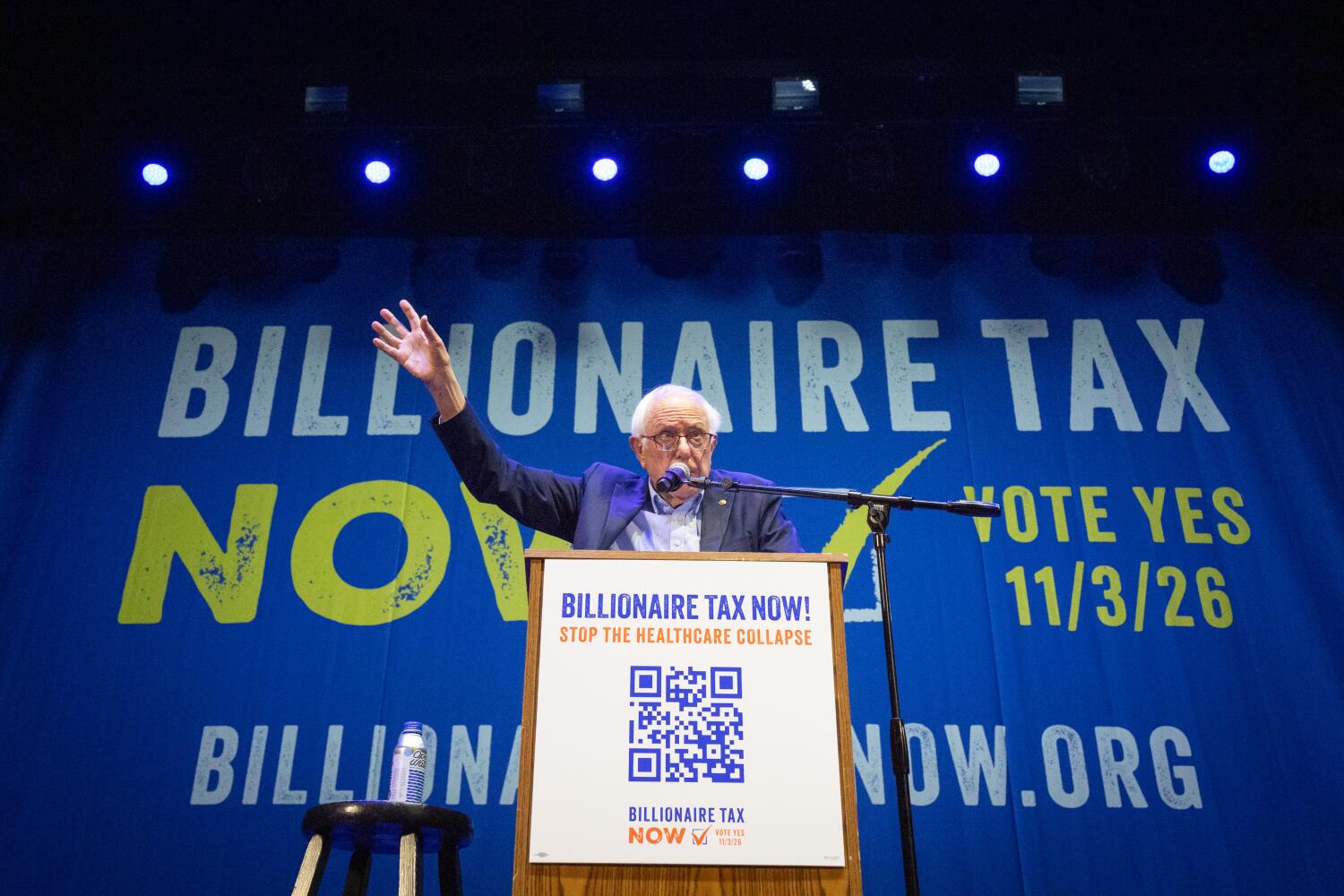
Whenever someone mentions taxing wealth, the word "radical" gets thrown around like a grenade. It’s not. It’s a pragmatic solution to a math problem. California is currently looking at a ballot measure for 2026 that would impose a one-time 5% tax on the net worth of residents worth more than $1 billion. Critics claim this will cause a mass exodus of the rich to Florida or Texas. While some might flee, the data suggests that for most billionaires, the "cost" of moving their lives and business infrastructure often exceeds the tax bill itself.
A 5% tax on someone worth $10 billion leaves them with $9.5 billion. They are still billionaires. They can still buy the yacht, the private island, and the professional sports team. Honestly, their daily life won't change one bit. But for the state, that revenue could generate $100 billion. That’s enough to fund healthcare, universal childcare, and bridge the massive budget gaps created by federal cuts to programs like Medicaid and SNAP.
The Illusion of "Middle Class" Relief
The OBBBA is sold as a "working families" win because it includes things like no taxes on tips or overtime. Sounds great on a bumper sticker, doesn't it? But look closer. These provisions are often temporary, set to expire in 2028. The tax breaks for the ultra-wealthy? Those are largely permanent.
Furthermore, the new tariffs acting as a national sales tax are hitting the middle class hardest. Economists at the Center for American Progress have noted that the combined impact of these policies means that by 2027, the bottom 99% of Americans will actually have less after-tax income. Only the top 1% will come out ahead. It’s a classic bait-and-switch. You get a few extra dollars from your tips, but you pay more for your car, your groceries, and your health insurance.
The Myth of Trickle Down 2.0
We've been running this experiment since the 1980s. The theory is that if you give the rich more money, they'll invest it, create jobs, and everyone wins. Instead, the top 0.001% now control three times the wealth of the bottom half of humanity. In the U.S., the top 1% holds nearly 32% of all household wealth. The bottom 50%? They share a measly 2.5%.
The "One Big Beautiful Bill" hasn't fueled a manufacturing renaissance. It has fueled stock buybacks and luxury spending. While the top 20% are spending record amounts on travel and high-end goods in 2026, the other 80% haven't seen their income keep pace with inflation over the last six years. This isn't a "Blue-Collar Boom." It’s a billionaire's bonus.
What You Can Actually Do
Wait-and-see isn't a strategy. If you're tired of seeing the tax code used as a tool for wealth concentration, you have to look at the local and state level first.
- Support State-Level Wealth Initiatives: Keep a close eye on ballot measures like California's Billionaire Tax Act. These serve as blueprints for national policy.
- Audit the Loopholes: Demand transparency on "pass-through" deductions. When a business owner pays less than an employee, the system is broken.
- Challenge the Tariff Narrative: Recognize that tariffs are a tax on consumers. If a politician promises tax cuts but adds tariffs, they aren't actually lowering your costs.
- VOTE on Tax Policy: Don't just vote on the "vibe." Look at the actual CBO and ITEP scores of tax bills. The math doesn't lie, even if the politicians do.
The rich can afford a one-time tax because their wealth has grown at a rate that defies logic while the rest of the country struggles to stay afloat. It's time to stop treating billionaires like they’re fragile and start treating the middle class like it’s essential.