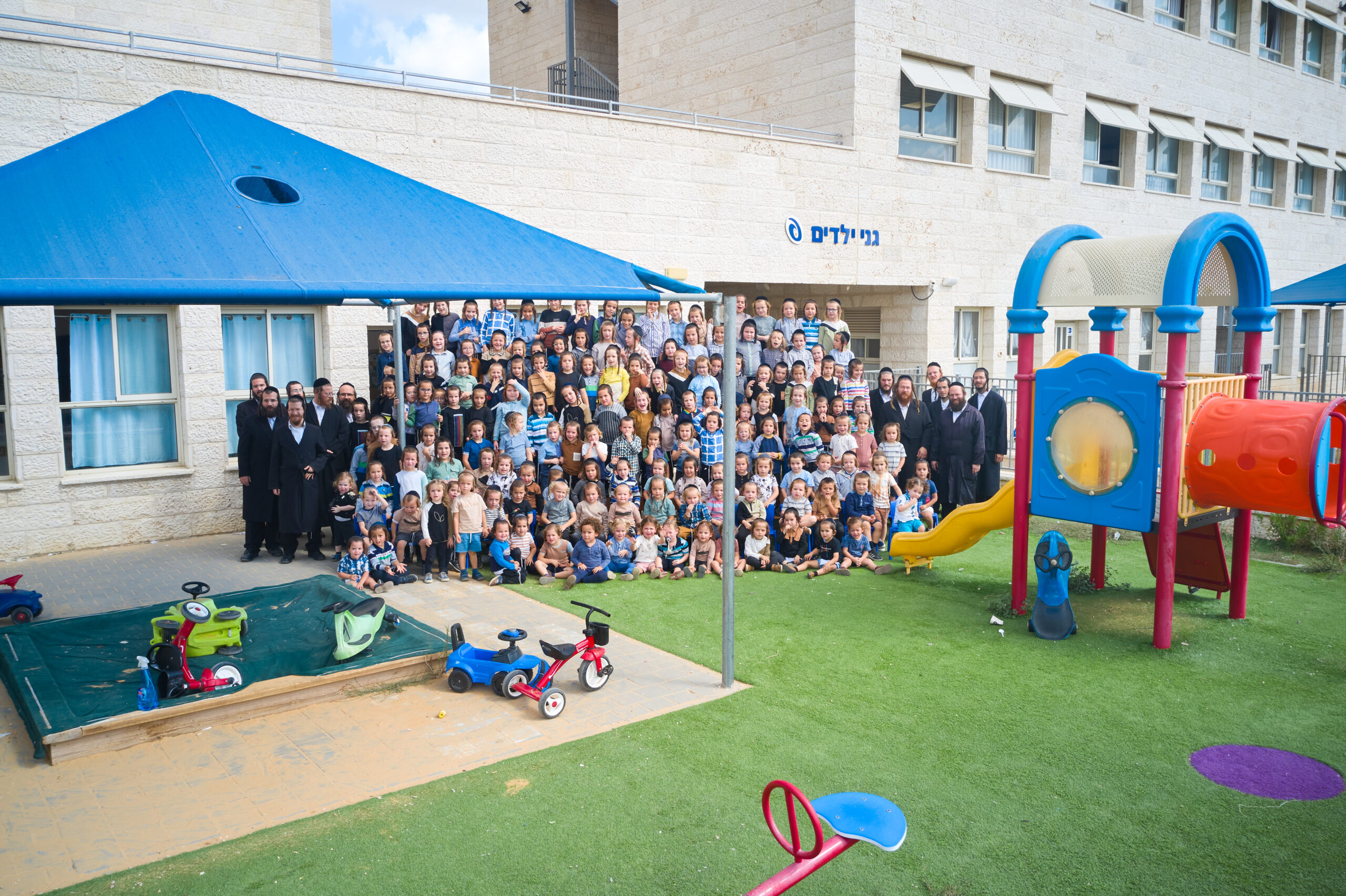
On March 1, 2026, the theoretical red lines of Middle Eastern warfare evaporated in a plume of white dust over a quiet residential street in Beit Shemesh. Nine people were killed when an Iranian ballistic missile, reportedly carrying a 500-kilogram warhead, evaded the world’s most sophisticated air defense network to strike a synagogue and a public bomb shelter. Among the dead were Ronit Elimelech, a 45-year-old United Hatzalah volunteer, and her mother, Sara. They were inside a reinforced space designed specifically to keep them alive.
The tragedy in Beit Shemesh is the deadliest single strike on Israeli soil since the outbreak of "Operation Roaring Lion," the joint U.S.-Israeli campaign that successfully targeted Supreme Leader Ayatollah Ali Khamenei on February 28. While military communiqués from Tel Aviv and Washington focus on the decapitation of the Iranian leadership, the debris in Beit Shemesh reveals a far more sobering reality. Modern missile technology is beginning to outpace the defensive shields that have defined Israeli security for a generation.
The Failure of the Shield
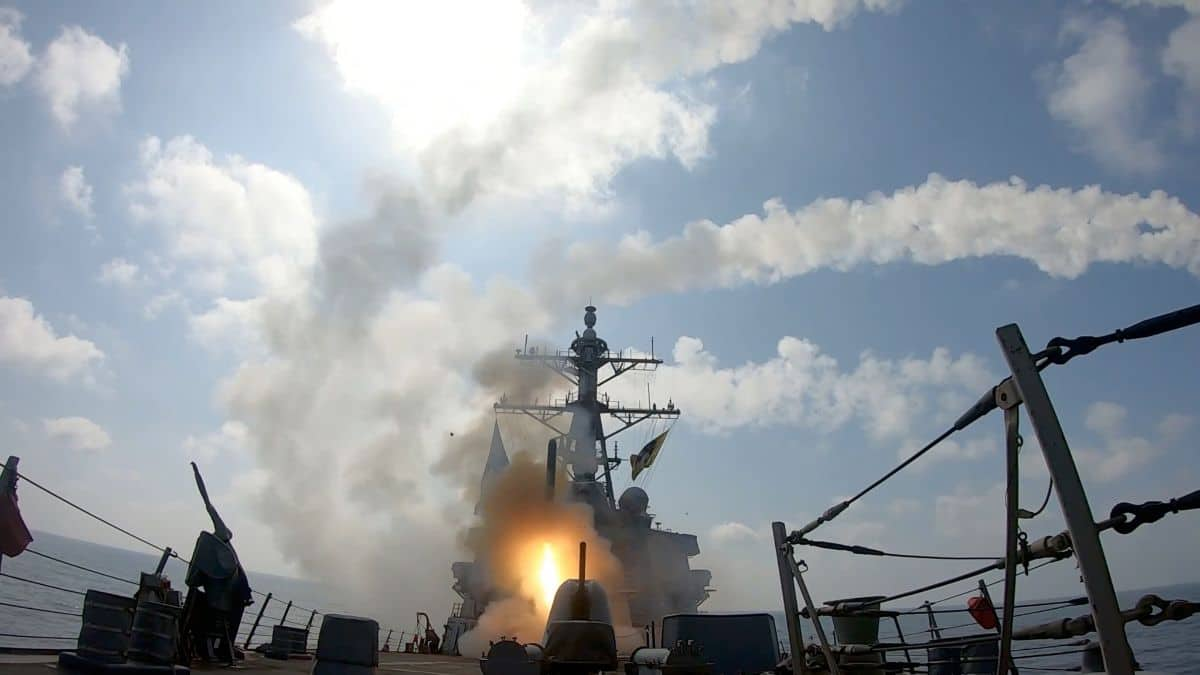
For years, the promise of the Arrow, David’s Sling, and the Iron Dome provided a psychological safety net for the Israeli public. This strike has shredded that confidence. Preliminary investigations by the Israeli Air Force are already underway to determine how a single projectile managed to bypass multiple layers of interception. It was not a saturation attack intended to overwhelm the sensors. It was a direct hit.
The problem lies in the grim physics of ballistic descent. When a missile like the Ghadr-110 enters its terminal phase, it is traveling at hypersonic speeds. If an interceptor misses by even a fraction of a second, the result is what we saw on Sunday. Jerusalem District Commander Avshalom Peled was blunt in his assessment, noting that public shelters are often no match for a direct hit from heavy Iranian ordnance. The "safe room" has become a relative term.
Tehran’s Logic of Despair
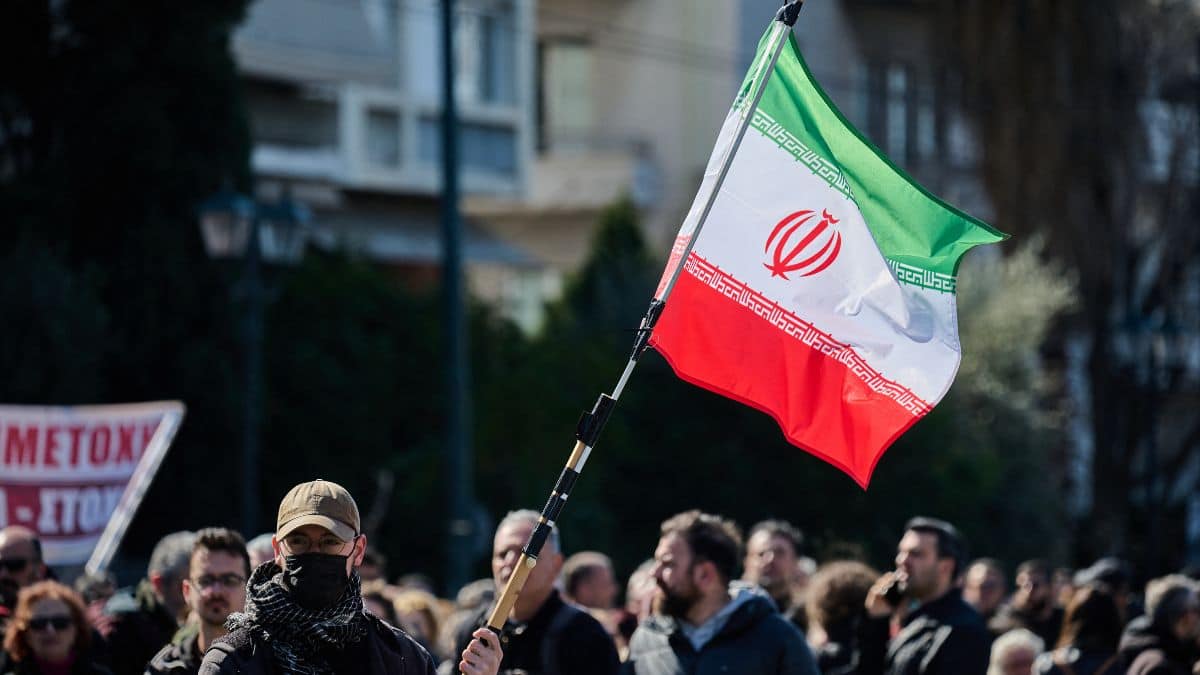
Tehran is currently a city without a clear head. Following the death of Khamenei and approximately 40 high-ranking officials in the Saturday strikes, the regime has transitioned to a temporary leadership council. In this vacuum, the Islamic Revolutionary Guard Corps (IRGC) appears to be operating on a doctrine of maximum pain. If they cannot win a conventional air war against the U.S. and Israel, they will ensure the cost of "regime change" is paid in civilian blood across the region.
This isn't just about Israel. On the same day the missile hit Beit Shemesh, Iranian drones and missiles struck targets in Dubai, Doha, and Kuwait. A luxury hotel in Bahrain was hit. Six people were reported killed in the UAE. By striking Beit Shemesh—a city with no significant military infrastructure—Iran is sending a message to the Israeli public. They are signaling that no matter how many bunkers in Tehran are vaporized, the "home front" will never be truly safe.
The Overlooked Intelligence Gap
There is a nagging question that military analysts are hesitant to voice. How did Iran maintain its launch capabilities after the U.S. claimed to have conducted over 900 strikes in the first 12 hours of the conflict? The Pentagon described the initial waves as "breaking the back" of the Iranian missile program.
The reality is that Iran has spent two decades hardening its "missile cities"—vast underground complexes carved into the Zagros Mountains. These facilities are nearly impossible to neutralize from the air without the use of tactical nuclear weapons or months of sustained conventional bombardment. The missile that hit Beit Shemesh likely originated from one of these mobile launchers, which can emerge from a mountain tunnel, fire, and retreat before an F-35 can even register the heat signature.
A Precarious New Normal
The streets of Beit Shemesh are currently a tableau of glass and twisted rebar. Municipal workers have set up ad hoc relocation centers in tents while ZAKA volunteers perform the somber task of collecting remains. Despite the horror, the Israeli government has signaled that "Operation Roaring Lion" will expand. Prime Minister Benjamin Netanyahu has already promised to strike "thousands" of additional targets.
This is the cycle of escalation that diplomats feared. The decapitation of a regime rarely leads to its immediate surrender. Instead, it often triggers a "dead hand" response—a decentralized, chaotic, and highly lethal series of retaliations. The victims in Beit Shemesh were the first major casualties of this new, uncontrolled phase of the war. They likely won't be the last.
We are no longer in the era of shadow wars and "gray zone" operations. The conflict is now loud, visible, and devastatingly direct. As the U.S. and Israel push for a total collapse of the clerical establishment in Tehran, the residents of central Israel are learning that their safe rooms are only as strong as the next interceptor's luck.
Would you like me to analyze the specific technical specifications of the Iranian missiles used in this most recent barrage?