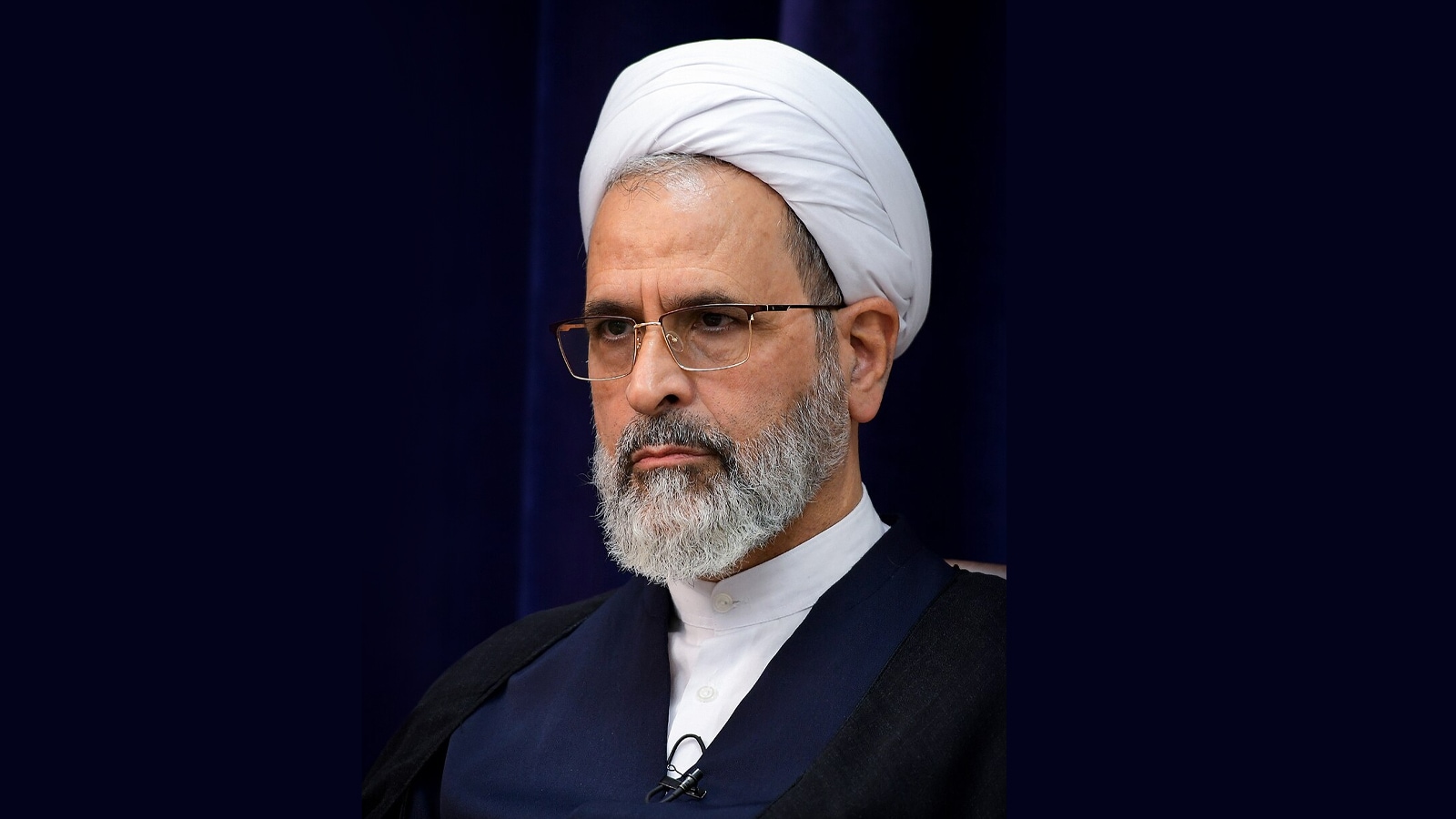
The rumors are thick, but the math is simple. When the long-reigning Supreme Leader Ali Khamenei eventually passes, the machinery of the Islamic Republic won't just stop. It shifts into a pre-planned, albeit tense, bureaucratic overdrive. While the world often focuses on the "next" permanent leader, the guy holding the keys during the actual handoff is the person who matters most for stability. That person is increasingly identified as Ayatollah Alireza Arafi.
He isn't a household name in the West. He should be. Arafi represents the bridge between the old guard and the technocratic future of the clerical establishment. If you think the transition will be a chaotic street brawl from day one, you’re likely misreading how the Assembly of Experts actually functions.
The Role of the Temporary Council
Iran’s Constitution is surprisingly specific about what happens the moment a Supreme Leader dies. Article 111 dictates that a provisional council takes over immediately. This isn't a permanent government. It’s a caretaker group meant to keep the lights on while the Assembly of Experts votes on a successor. This council typically includes the President, the head of the judiciary, and one of the theologians from the Guardian Council.
Because of his unique positions, Alireza Arafi sits at the intersection of these groups. He’s a member of the Guardian Council. He’s a high-ranking member of the Assembly of Experts. He also runs the Management Center of Islamic Seminaries. That last part is the real power base. He controls the pipeline of new clerics.
Why Arafi is the Choice for Stability
Arafi doesn't have the polarizing reputation of some hardliners, yet he's completely trusted by the deep state. He’s a manager. In a crisis, the Iranian establishment craves a manager. They don't want a firebrand who might provoke an immediate popular uprising or a military coup. They want someone who can ensure the bureaucracy, the IRGC, and the clerical elite stay on the same page.
He has spent years "internationalizing" the Qom seminaries. He understands how the world sees Iran, even if he doesn't agree with that perspective. This makes him a safer pair of hands for a temporary transition than a revolutionary purist who might make a rash move on the nuclear file or regional proxies during a week of national mourning.
The Assembly of Experts Reality Check
The Assembly of Experts is the body of 88 clerics tasked with choosing the next leader. People talk about them like they're a democratic legislature. They aren't. They’re a vetting committee. Arafi’s influence here is massive because he knows where the bodies are buried—metaphorically speaking.
He has been a key player in the "purification" of this body. Over the last few election cycles, the Guardian Council (which Arafi sits on) has disqualified almost anyone even remotely moderate. This means the pool of voters is now entirely composed of men who view Arafi as a peer and a protector of their interests. If he is leading the temporary council, he essentially sets the agenda for the vote that follows.
Misconceptions About the Successor
Everyone wants to talk about Mojtaba Khamenei. The "son of the leader" narrative is easy for Western media to digest. But Iran isn't a monarchy, at least not on paper. The optics of a father-to-son transition are terrible for a regime that claims it overthrew a hereditary Shah.
Arafi’s role as a temporary leader might actually be to facilitate a "consensus candidate" who isn't a Khamenei. By acting as the interim head, he can absorb the initial shock of the transition, manage the funeral logistics—which are a massive tool for state propaganda—and ensure the IRGC stays in their barracks.
The IRGC Factor
The Islamic Revolutionary Guard Corps won't sit idly by. They're the ones with the guns. However, the IRGC prefers a predictable cleric. They want someone who won't cut their budget or question their business empires. Arafi has shown he can work within the system without trying to upstage the military. He’s the ultimate "system man."
If the transition happens during a period of high regional tension—say, a direct conflict with Israel or major domestic protests—the IRGC might push for an even faster transition. In that scenario, Arafi’s role becomes even more critical. He would be the one providing the "religious legitimacy" to whatever security measures the Guard deems necessary.
What Happens to the Economy
Markets hate uncertainty. If Khamenei dies and there’s a vacuum, the Rial will crater. Arafi’s first job as temporary leader would be to project a sense of "business as usual." You’d see him on state TV almost immediately, flanked by military leaders and the head of the Central Bank.
His history in Qom suggests he’s a fan of the "Resistance Economy." Don't expect him to reach out for a new nuclear deal during his week or two in charge. He’ll double down on self-sufficiency. He’ll use the interim period to signal to both China and Russia that the "Look to the East" policy isn't changing just because the guy at the top did.
Watching the Next Moves
Keep an eye on the official appointments in the coming months. If Arafi gains even more titles within the clerical administrative bodies, it’s a sign the "interim" plan is being solidified. The regime doesn't do "accidents." They script these things years in advance.
You should also watch the rhetoric coming out of the Al-Mustafa International University, which Arafi used to lead. It’s a major tool for Iranian soft power abroad. If that institution starts shifting its tone to be more overtly political, it’s a sign that Arafi is expanding his influence beyond the seminaries.
The transition won't be a simple flip of a switch. It’ll be a series of choreographed rituals designed to prove the system is bigger than any one man. Alireza Arafi is the choreographer.
Keep a close watch on the official state news agency, IRNA, for any shift in how Arafi is titled. Small changes in honorifics often signal massive shifts in the internal hierarchy. If he starts being referred to with titles usually reserved for the highest echelon of "Grand Ayatollahs," the transition plan is likely already in motion. Use a VPN to access Persian-language sources if you want the real story before it hits the English-speaking wires.